
If you find damp or mould
Damp and mould can affect your home, belongings and health. Tell us as soon as you notice a problem, especially if it is getting worse, keeps returning or is affecting someone in your household.
You do not need to work out the cause before contacting us. We will assess what you have told us, consider your household’s circumstances and decide what investigation or action is needed.
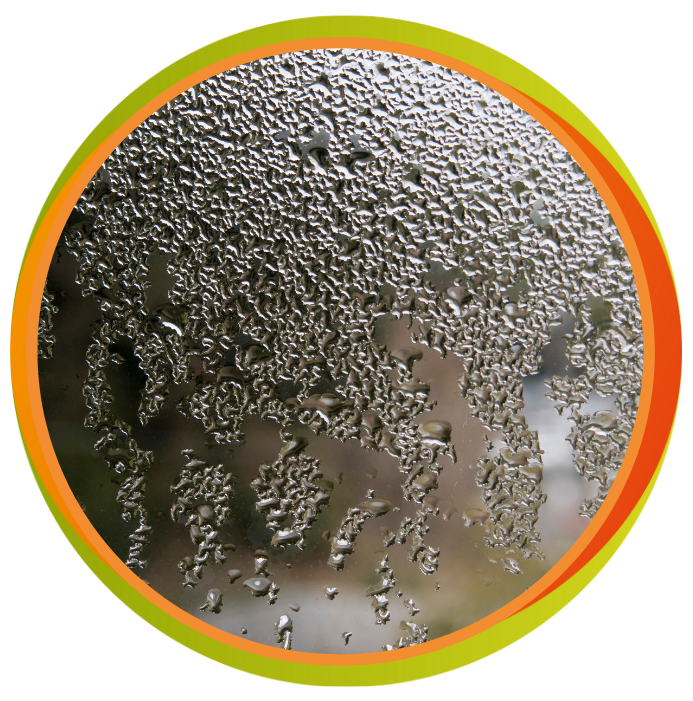
Signs to look out for
Signs of damp, mould or excess condensation can include:
- windows and mirrors regularly steaming up;
- black mould around windows or on outside-facing walls;
- walls, furniture or belongings feeling damp;
- leaks around windows, pipes, walls, roofs or doors;
- tide marks rising up walls; and
- damaged or crumbling plaster.
If you notice water entering your home, use a suitable container to catch drips where it is safe to do so and keep away from unsafe electrics. Report the problem as soon as possible.
Understanding condensation
Condensation happens when moisture in the air meets a colder surface and turns into water. Everyday activities such as cooking, bathing, drying clothes and breathing all add moisture to the air.
Condensation is common, but repeated or severe condensation can contribute to damp and mould. It can also indicate that heating, insulation or ventilation needs attention.
Not all damp is caused by condensation.
Water can enter through damaged roofs, walls, windows, doors or pipes. Rising damp can sometimes appear as tide marks and damaged plaster near the bottom of a wall.
Tell us about leaks, recurring wet areas, damaged plaster or any other signs of water entering your home. We will investigate the cause rather than assuming the problem is condensation.
The following steps may help reduce condensation while we investigate or alongside any work we carry out:
- use extractor fans when cooking, bathing or showering;
- open a nearby window for a short time when producing steam, if it is safe to do so;
- keep kitchen and bathroom doors closed while cooking or bathing;
- dry clothes outside or use a suitable dryer where possible;
- avoid drying clothes directly on radiators;
- leave a gap between furniture and outside-facing walls; and
- keep vents and air bricks clear.
These steps do not replace repairs or improvements that we are responsible for. Tell us if ventilation is broken, inadequate or difficult for you to use.
Keeping a steady, comfortable temperature can reduce cold surfaces where condensation gathers. Where possible, lower and steadier heating can be more effective than short bursts of high heat.
Tell us if your heating is broken, rooms cannot be heated properly or energy costs are making it difficult to keep your home warm. We may be able to connect you with support and advice.
[LINK]Get help with household and energy costs
Small areas of surface mould can sometimes be cleaned using a suitable mould-removing product, following the manufacturer’s safety instructions.
Do not disturb extensive mould, damaged materials or anything you cannot clean safely. Contact us if mould is widespread, keeps returning, affects porous materials or is affecting someone’s health.
Cleaning visible mould does not resolve an underlying leak, building defect, heating issue or ventilation problem. Please still report the concern to us.
What we may do
Our response will depend on what we find. It may include:
- asking questions to understand the problem and how it affects your household;
- inspecting your home;
- arranging an independent survey where needed;
- completing a mould wash to reduce an immediate risk;
- repairing leaks or damaged building elements;
- improving or repairing ventilation;
- repairing surfaces after other work is complete;
- helping you use your heating effectively or access support with energy costs; or
- arranging temporary accommodation where your home cannot be kept safe during the work.
We will explain what we have found, what work is required and the timescales involved.
In some homes, we may install a positive input ventilation, or PIV, unit. A PIV unit introduces filtered air and helps move stale, moisture-laden air out of the home.
A qualified person will install the unit and explain how it works. Keep the unit switched on and tell us if it is damaged, unusually noisy or does not appear to be working correctly.
If the problem returns or gets worse
Tell us straight away if damp or mould spreads, returns after treatment, or begins affecting someone in your household more seriously. We will reassess the risk and change our response if needed.